Artificial intelligence is no longer a futuristic concept. It’s already reshaping workplaces across every industry. From automating repetitive tasks to enhancing data-driven decision-making, AI has become an integral part of how we work. Whether we’re ready or not, its impact is undeniable.
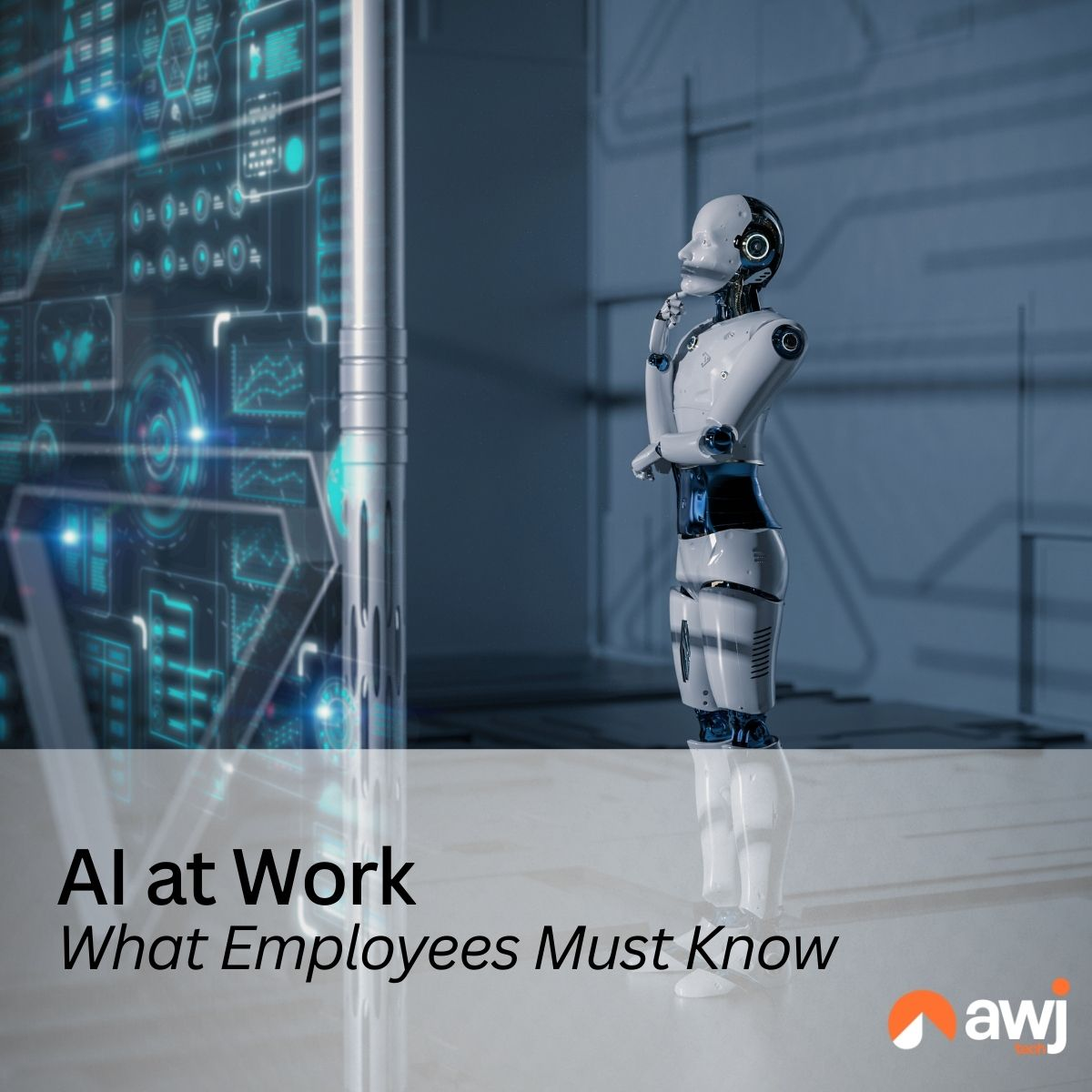
However, while organizations rapidly adopt AI tools, many employees remain unaware of the responsibilities, risks, and opportunities that come with them. The question today isn’t whether AI will affect your job, but how well you can use it responsibly and effectively.
Transparency Builds Trust
One of the most important principles of using AI in the workplace is transparency. Employees should always communicate when AI is involved in their work – whether it’s generating reports, creating marketing copy, or analyzing performance data. Hidden or unacknowledged AI use can lead to ethical concerns and misunderstandings, especially when outcomes affect clients, colleagues, or decision-making processes.
Being open about how and when AI is used helps maintain trust and ensures that human oversight remains central to every task.
Data Responsibility Is Everyone’s Job
AI thrives on data, but that power comes with significant responsibility. Feeding sensitive or confidential information into public AI tools can expose organizations to privacy breaches or compliance risks. Every employee should understand the limits of what data can be shared and follow internal policies to protect proprietary information.
Data security is no longer just an IT concern – it’s a shared obligation across the entire workforce. Understanding how AI tools handle data is key to maintaining both ethical standards and corporate integrity.
Human Accountability Remains Essential
AI can streamline workflows and provide valuable insights, but it cannot replace human judgment. No matter how advanced the technology becomes, the final accountability always rests with the human using it.
Professionals must verify the accuracy, fairness, and appropriateness of AI-generated outputs before making decisions or sharing information. AI should assist – not dictate – the process. Maintaining this balance ensures that ethical standards and accountability remain intact.
Beyond Compliance: Building Trust and Career Resilience
Responsible AI use isn’t just about following company policies or meeting legal requirements. It’s about building a culture of trust, transparency, and adaptability. As AI continues to evolve, employees who embrace it responsibly will stand out as forward-thinking professionals.
Understanding how to use AI ethically enhances not only workplace integrity but also individual career resilience. Those who learn to work alongside AI – combining human creativity with technological capability – will be best prepared for the future of work.
The Future Belongs to Responsible AI Users
AI is here to stay, and its influence will only grow. The professionals who thrive will be those who take initiative to understand the technology, question its outputs, and use it with integrity.
Learning how to apply AI responsibly isn’t just a professional skill – it’s an essential part of staying relevant in a rapidly changing digital landscape.